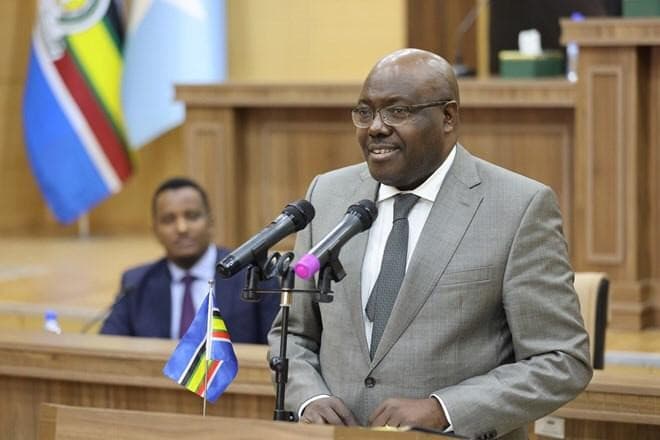

The two-day 'Arc of Stability' summit, aimed at fostering closer political and security ties between several neighboring countries, has ended in diplomatic disappointment.
Hopes for a landmark mutual defense cooperation framework were shelved after one member state refused to sign any clause that could be interpreted as a commitment to collective military action.
Instead, the final communique only reaffirms existing bilateral ties and pledges further dialogue.
The deadlock was primarily over differing threat perceptions and legal constraints on the use of military force within one country's constitution.
A secondary, contentious issue was a proposed regional approach to managing migration flows, which also failed to gain unanimous support.
Observers note that the outcome weakens the bloc's ambition to become a more influential geopolitical player and reflects a broader trend of regional fragmentation.
The summit's host leader conceded that 'differences run deep' but framed the continued conversation itself as a success.
Opponents at home were quick to label the event a costly failure that exposed the nation's diplomatic isolation on key security matters.