

The Changing Face of Modern Politics
Admin• N/A0• 5 views
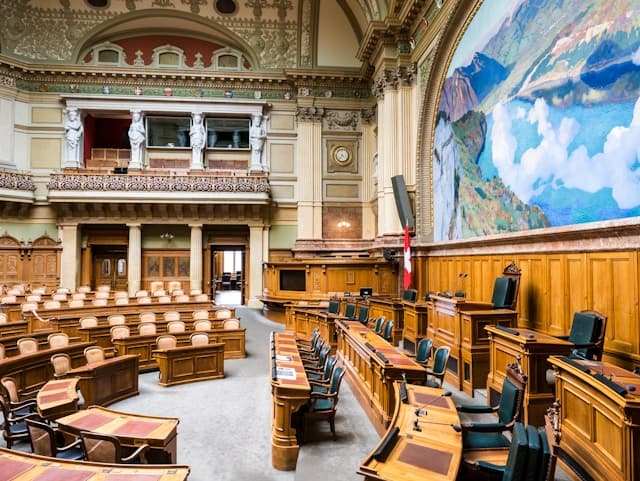
Politics in the 21st century is undergoing rapid transformation. Advances in digital technology have reshaped how political leaders communicate with citizens, how campaigns are run, and how people engage with public issues. Social media platforms, for example, allow politicians to reach millions instantly, but they also increase the spread of misinformation and political polarization.
Another major shift is the changing expectations of citizens. Voters today demand greater transparency, accountability, and inclusion from their governments. Issues such as economic inequality, climate change, healthcare, and education have become central to political debates worldwide. Governments that fail to respond effectively often face public protests, declining trust, and reduced voter participation.
Young people are also playing a more visible role in politics. Through activism, online campaigns, and community organizing, they are influencing policy discussions and election outcomes. While many young voters feel disconnected from traditional political institutions, they are actively pushing for reforms that reflect their values and future concerns.
Despite these changes, modern politics faces serious challenges. Deep ideological divisions, declining trust in institutions, and the influence of money in politics continue to threaten democratic stability. Addressing these issues requires strong institutions, informed citizens, and leaders committed to dialogue rather than division.
In conclusion, modern politics is at a crossroads. While new tools and voices offer opportunities for more inclusive governance, the future of democracy depends on how societies manage conflict, encourage participation, and uphold shared democratic principles.
👍 0 Likes💬 0 Comments
Comments
User123
Great article! Very informative.
JaneDoe
I enjoyed reading this — thanks for sharing.